Meet Doreck Ankunda: Breaking Barriers Through Film and Advocacy

inableAdmin
When Ugandan actress, humanitarian, and disability inclusion advocate Doreck Ankunda took the stage at the Inclusive Africa Conference 2025, she carried with her a story shaped by resilience, talent, and an unwavering commitment to inclusion. Her role in the award-winning film When You Become Me was more than an artistic achievement; it was a deeply personal reflection of her own life. “I had always loved acting,” she shares, “but many casting calls closed their doors on me because I am Deaf.”
That history of rejection did not stop her. In 2024, she earned Best Actress awards at the Bayelsa International Film Festival and Kaduna Film Festival in Nigeria. For Doreck, the film was a powerful tool to address discrimination and negative societal attitudes. “Looking at my life and the lives of other persons with disabilities, we live in discrimination, negative attitudes, and a mindset towards us by society. This film felt like my chance to contribute to changing those mindsets and to showcase my talent.”
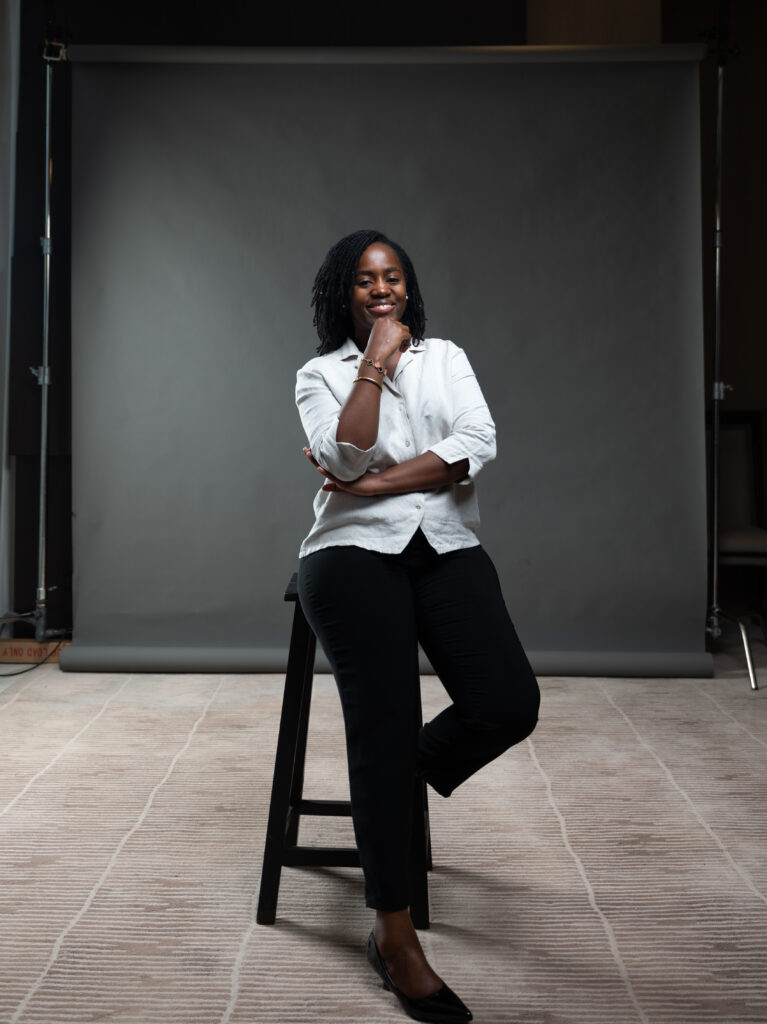
Her journey began after losing her hearing as a child. “When I lost my hearing, I noticed a lot had changed, and I had to adapt to a new life full of challenges,” she said. “I thank God for my supportive parents, who helped me come out of isolation and join a community of fellow Deaf people.” Over time, that experience inspired her to become a voice for others navigating similar struggles.
Today, as Team Leader at Wings of Hope, she works to empower families raising children with disabilities. “We provide mental health services and create awareness so that parents accept their children, believing they can thrive like any other child,” she explains. A recent outreach left her especially encouraged. “Most parents confessed that our teaching was very helpful and promised to change how they treated their children.” Her work as a disability inclusion facilitator with Light for the World Uganda expands her reach even further. “It gives me the chance and platform to reach more people as we train in inclusion and disability awareness.”
Doreck is candid about the stereotypes she encounters, from assumptions about appearance to misconceptions about relationships. “I often hear statements such as persons with disabilities are not beautiful or handsome,” she says. “Disability is never called for, and we are all candidates for it. Another damaging belief is that persons with disabilities are asexual. We are people like anyone else; the only difference is our impairment.”
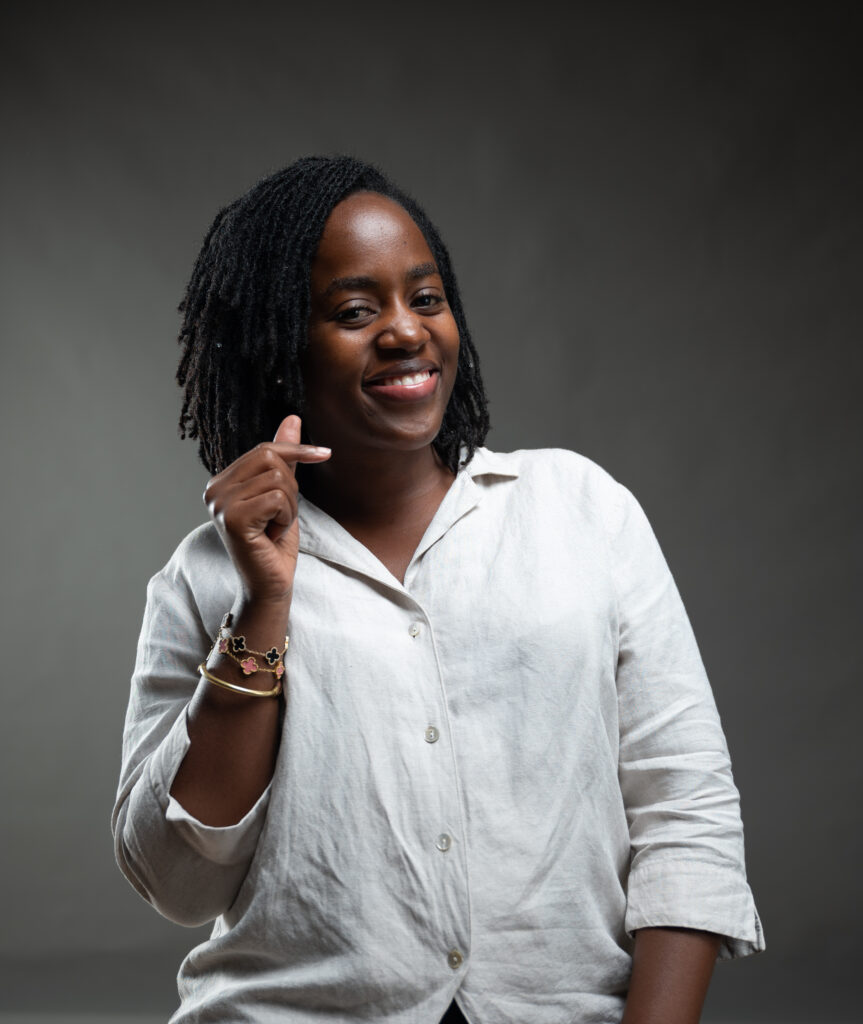
At the Inclusive Africa Conference, she joined the panel The Creative Economy – Opportunities and Gaps, alongside artists, researchers, and entrepreneurs. She spoke about how youth with disabilities are navigating Africa’s creative industries and emphasised the role of emerging technologies. “I learned how AI and assistive devices are being adapted to make workplaces, education, and public spaces more accessible. What struck me most was the emphasis on involving persons with disabilities in the design process — not just as beneficiaries but as co-creators.”
The event also sparked new connections. “I met advocacy leaders, innovators, and policymakers from across the continent. These conversations opened opportunities for collaboration on projects that bridge accessibility gaps, especially in rural and underserved communities.” For Doreck, such platforms go beyond discussion. “A conference like this can influence policy, change attitudes, and even transform an organization’s culture.”
Storytelling remains central to her advocacy. “Film gets more traction, which means more people will hear the message. Public engagement brings about more interaction,” she reflects. If she could change one thing about African media, it would be to highlight more success stories. “I want to see more documentation of stories of successful persons with disabilities.”
Whether on screen, in community spaces, or on the conference stage, Doreck continues to challenge stereotypes, create opportunities, and ensure the voices of people with disabilities are not only heard but celebrated. “Every opportunity I get, I make sure to use it to advocate for persons with disabilities,” she says. “The challenges we face are cross-cutting, and I believe our stories can change the way the world sees us.”
Written by Faith Rimas, inABLE.