No One is Kept Out: Stakeholders Unite to Test NIKO, a Digital Lifeline for Children with Disabilities in Kenya

inableAdmin
On September 25-26, 2025, UNICEF Kenya, inABLE, Kilimanjaro Blind Trust Africa (KBTA), and AT4D, under the Humanitarian Innovation Programme (HIP), convened a two-day stakeholder engagement meeting at Safari Park Hotel in Nairobi. The event brought together government officials from the Ministry of Education and the Ministry of Labor and Social Protection, county representatives from Kisumu, caregivers, medical assessors, Education Assessment and Resource Centre officers, and other humanitarian partners to test and refine NIKO, a digital platform designed to transform access to essential services for children with disabilities in Kenya.
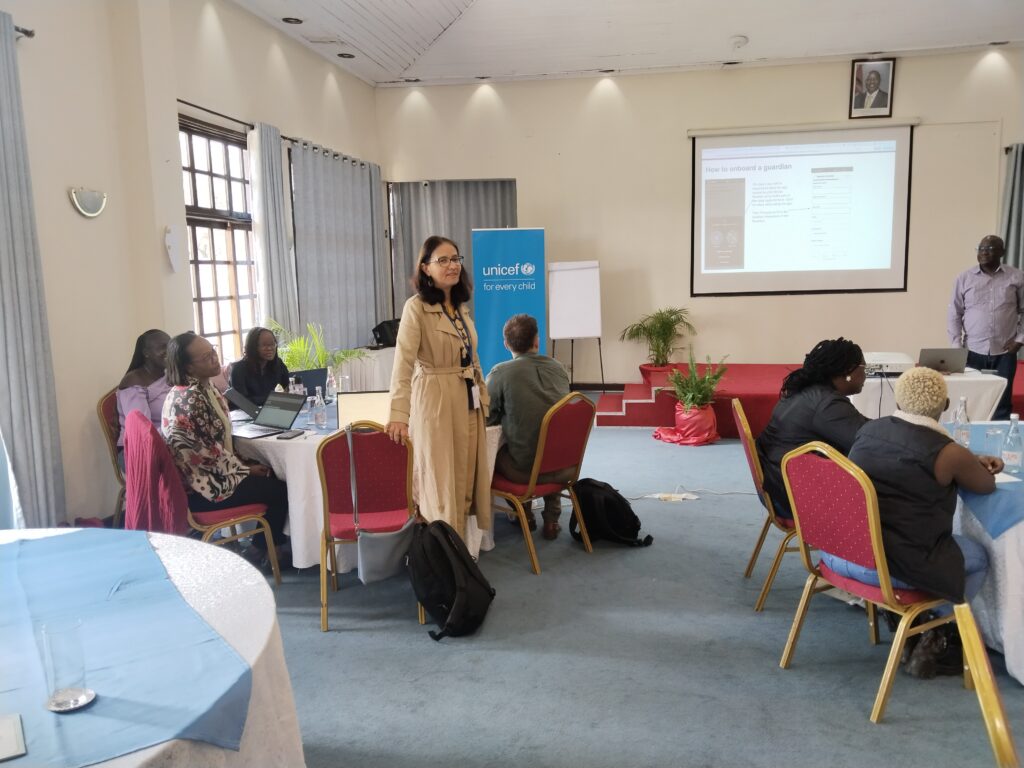
Kenya’s 2019 census identified more than 918,000 persons with disabilities, yet only about 500,000 are registered with the National Council for Persons with Disabilities (NCPWD). This gap leaves thousands of children without access to healthcare, education, assistive technology, and social protection. The challenges are especially acute in counties like Kisumu, where recurrent floods and informal settlements deepen vulnerabilities. Caregivers, often the first line of support, struggle with lack of information, prohibitive costs, and complex registration procedures, while medical and education professionals face fragmented data systems and referral pathways. The Humanitarian Innovation Programme, a global initiative of the UNICEF Office of Innovation, responds to these systemic barriers by identifying and scaling innovative solutions for more inclusive humanitarian aid. Its work in Kenya has included initiatives such as Kits that Fit, which tailors emergency kits to local needs, and new approaches to detecting child malnutrition using artificial intelligence.
NIKO, short for “No One is Kept Out,” is the latest addition to this portfolio of inclusive innovations. Developed by inABLE in collaboration with HIP partners, the platform is accessible both through a mobile app and a USSD code, ensuring usability even in low-connectivity areas. Caregivers can use NIKO to register children, book appointments, monitor progress, and share feedback, while medical and education officers benefit from streamlined referral management and timely assessments. Frontline workers can also coordinate services and collect essential data more efficiently. With inABLE serving as the accessibility lead, every element of the tool has been purposefully designed to meet the diverse needs of children with disabilities and ensure a user-friendly experience for all stakeholders.
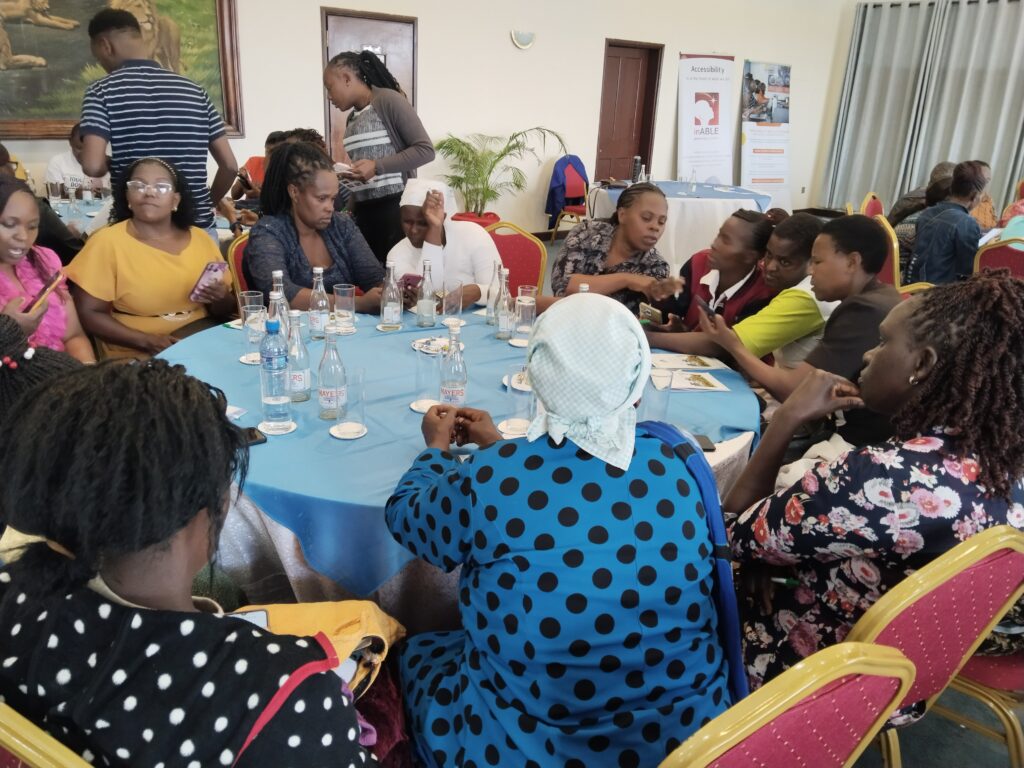
The two-day mini user acceptance testing sessions placed caregivers, medical assessors, and education officers at the center of the process. On the first day, caregivers tested features such as child registration, appointment booking, progress tracking, and feedback submission. They explored case simulations that included missed appointments and incorrect data entry, while also testing the platform’s ability to function offline and sync data once reconnected an essential feature for rural and humanitarian settings. Group reflections offered practical insights to guide the next phase of improvements. On the second day, medical assessors and EARC officers focused on evaluating and managing referrals, simulating offline casework, and running full cases that followed the journey from caregiver registration through medical and educational assessments. These sessions underscored the importance of reliable coordination and data flow across all levels of service delivery.
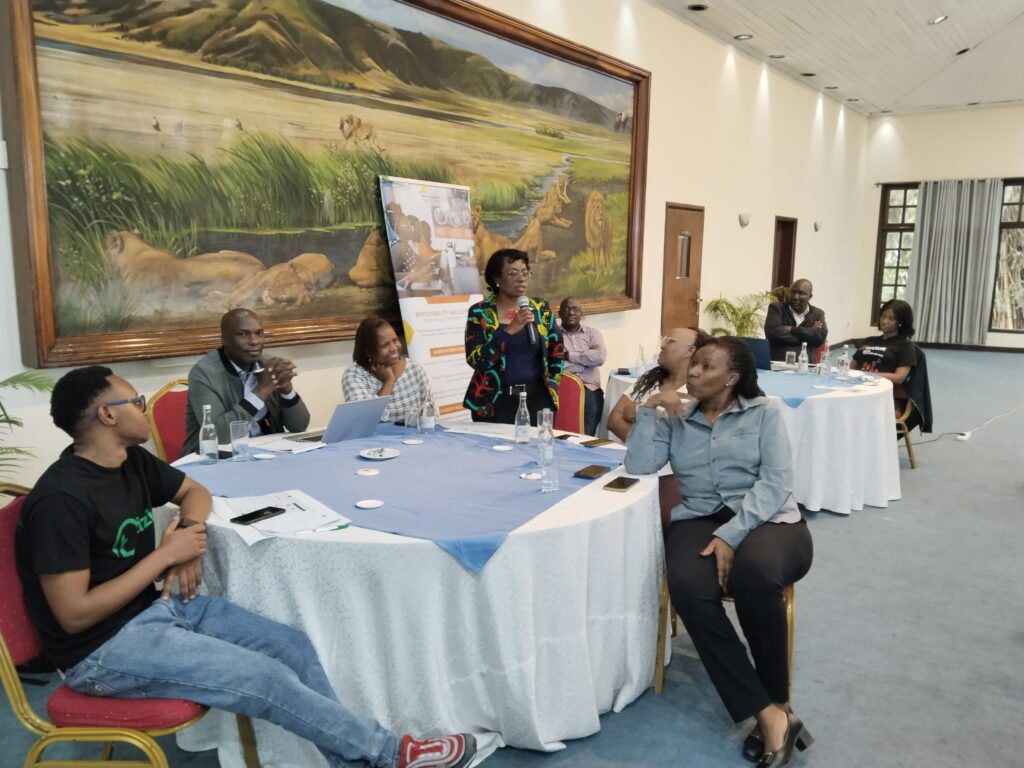
A key point of discussion was the proposed cost of using the USSD service, which currently stands at KES 1 per journey or process. While seemingly minimal, this cost can accumulate and present a barrier for families already facing economic hardship. To address this, HIP partners will engage Safaricom PLC to explore opportunities for zero-rating the USSD service and bulk messaging so that caregivers can access the platform at no cost. Validation activities and a formal launch are planned in the coming months, paving the way for NIKO to be rolled out nationally.
With the Humanitarian Innovation Programme set to run in Kenya for the next two and a half years, NIKO is positioned as a cornerstone of inclusive humanitarian response. By placing the voices of caregivers, frontline workers, and professionals at the heart of its development, the tool promises to ensure that no child is kept out of essential services, advancing the vision of a future where all children, regardless of disability, can thrive.
Story by Faith Rimas, MPRSK- inABLE