Beyond Braille: How Digital Training is Transforming St. Lucy’s School for the Blind

inableAdmin
At St. Lucy’s School for the Blind in Meru County, the sounds of confident typing and laughter echo through the hallways, a clear sign of change. Students who once struggled to keep pace with the rest of the world are now independently completing assignments, exploring educational content, and embracing a new sense of possibility. This shift has been made possible through inABLE’s Assistive Technology Labs program, supported by Google.
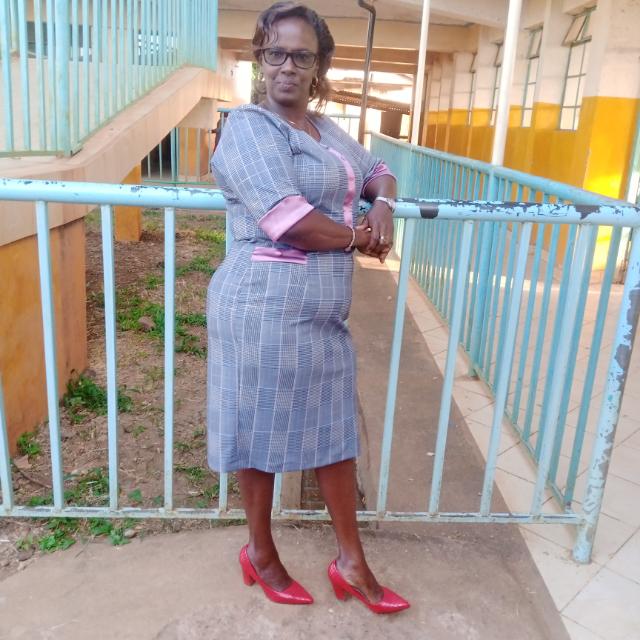
Agnes, a passionate teacher who has worked at the school for the last 10 years, has been at the heart of this transformation. As a Competency-Based Curriculum (CBC) and ICT trainer of trainees, she has trained teachers and supported the implementation of inclusive teaching practices. Her commitment to education for learners with visual impairments is rooted in the belief that every child deserves equal access, regardless of ability.
Before inABLE stepped in, the school faced enormous challenges. “We had received laptops from the government years ago, but they mostly gathered dust,” Agnes recalls. The reason? No internet connection and no trained personnel to help integrate the technology into lessons. Teachers did their best using braille and oral instruction, but it wasn’t enough to prepare students for a world increasingly driven by digital skills. Learners were falling behind not because of their abilities, but because they lacked the tools and support they needed.
That changed when inABLE launched the Assistive Technology Labs program at the school. inABLE began by identifying schools like St. Lucy’s that served learners with visual impairments. Once selected, the school received a fully equipped computer lab, reliable internet access, and Chromebooks for both students and teachers. But more than just providing equipment, inABLE ensured that every teacher underwent in-depth training on how to use the technology to teach effectively and inclusively.
Agnes says every teacher participated in the training, and it made all the difference. Teachers learned to assign, track, and mark student work digitally, saving time and improving feedback. Students quickly adapted to using Chromebooks, becoming more engaged, independent, and motivated. “Computer class is their favorite,” Agnes shares warmly. “They are more active, more excited to learn, and they even help each other discover new things.”
The program also meets the needs of students with different abilities. Those with low vision use large print and high-contrast diagrams, while others receive orientation and mobility training to help them navigate the school independently. Agnes explains that promoting a spirit of peer support has been essential: “The learners are not just becoming tech-savvy; they’re becoming leaders.”
The impact has been profound. Learners who once relied solely on braille or verbal instruction now have the confidence to explore topics online, complete assignments digitally, and dream beyond the classroom. “They believe they belong in the digital world,” Agnes says. “They believe they can compete with anyone, anywhere.”
This success story is the result of meaningful collaboration. From Agnes and her fellow teachers to inABLE’s dedicated team and the generosity of partners like Google, the impact has been collective. Together, they’ve helped create a future where learners with visual impairments are not only included but fully empowered.
Agnes remains hopeful about what lies ahead. She envisions more schools gaining access to this kind of support and even deeper strategies for helping students with multiple disabilities. “inABLE has done more than give us computers,” she says. “They have given our learners a chance, a real, tangible chance to thrive.”
Written by Faith Rimas, Communications Assistant, inABLE