Science, Inclusion, and Leadership: The Journey of Harunah Damba

inableAdmin
When Harunah Damba walked into the Mara Ballroom at JW Marriott Hotel for the Inclusive Africa Conference 2025, he knew this was a platform he had been preparing for his entire life. As a biomedical scientist and Chair of United Persons with Disabilities (UPDS) in Uganda, he joined the panel Next Generation of Future Leaders in Africa, speaking about disability inclusion in science and leadership. “Attending the Inclusive Africa Conference was a dream come true. It gave me the opportunity to speak and voice our concerns as people with disabilities to a large and diverse audience,” he says.
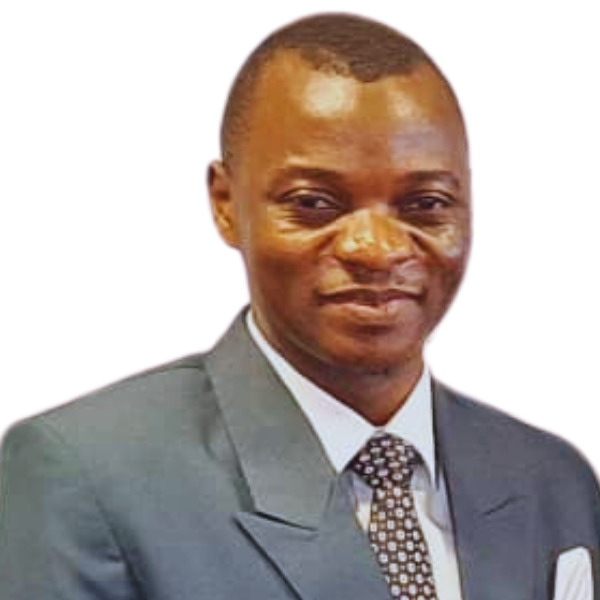
That appearance was the latest chapter in a journey shaped by resilience. As a teenager, Harunah contracted malaria. In a healthcare system where “you would need to provide something before receiving care,” and coming from a low-income family, treatment came too late. He spent nearly a year in the hospital, dropped out of school, and returned home at just 15 years old, both Deaf and physically impaired. “At school, I was always hardworking, consistently ranking among the top in my class. But after acquiring a disability, I realized people focused more on my limitations than my abilities.”
Determined to challenge those perceptions, he pursued biomedical laboratory technology at Makerere University, becoming the first Deaf person to do so. The achievement was met with surprise from peers and even lecturers. “The environment wasn’t very inclusive. Disability was often treated as an afterthought,” he recalls. Inaccessible lecture halls, libraries, and walkways were part of his daily reality.
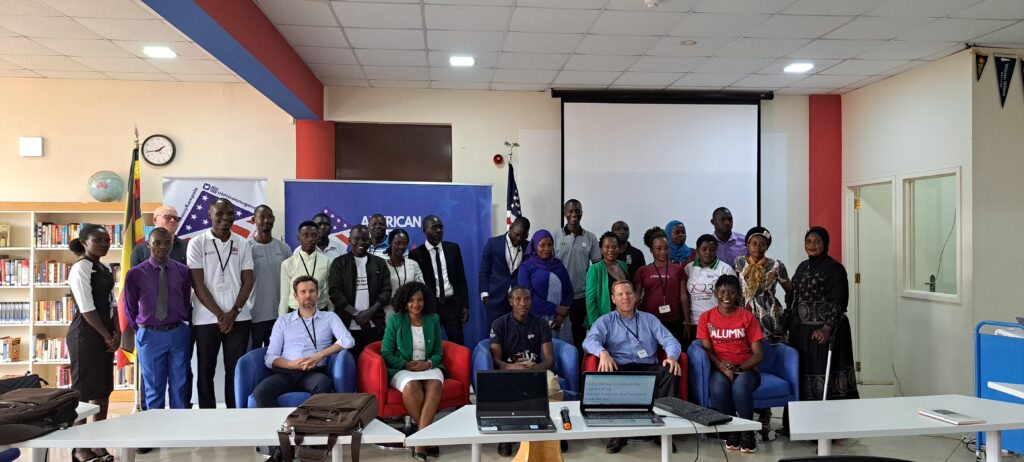
Instead of stepping back, Harunah mobilized fellow students with disabilities. He was elected Guild Representative Councilor in 2018 and later appointed Minister for Students with Disabilities. He worked with students, lecturers, and international partners to integrate disability inclusion into university programmes. He revived parasports, revised the university’s disability policy, and helped lay the foundation for a more inclusive institution.
After graduation, Harunah joined the Uganda Virus Research Institute, Medical Research Council, and London School of Hygiene and Tropical Medicine (UVRI/MRC & LSHTM) Uganda Research Unit. “I was the only Deaf scientist at the unit, but I found the environment to be highly inclusive. They provided a full-time sign language interpreter who was always available whenever needed.” Under Dr. Beatrice Nassanga, he supported vaccine research from data collection to sample analysis, seeing firsthand how inclusion could be embedded in scientific work.
Beyond the laboratory, his advocacy took root in entrepreneurship. After COVID-19 left many people with disabilities unemployed, he founded the Twezimbe Uganda Graduates with Disabilities SACCO, entirely run by people with disabilities. “We aim to bring together as many budding entrepreneurs with disabilities as possible into a supportive network,” he says. Nearly 50 startups have received pooled capital, mentorship, and networking, while bimonthly talks reach almost 500 entrepreneurs annually. “Our annual surveys show their impact has gone up by about 50%, while their losses have dropped by 30%.”
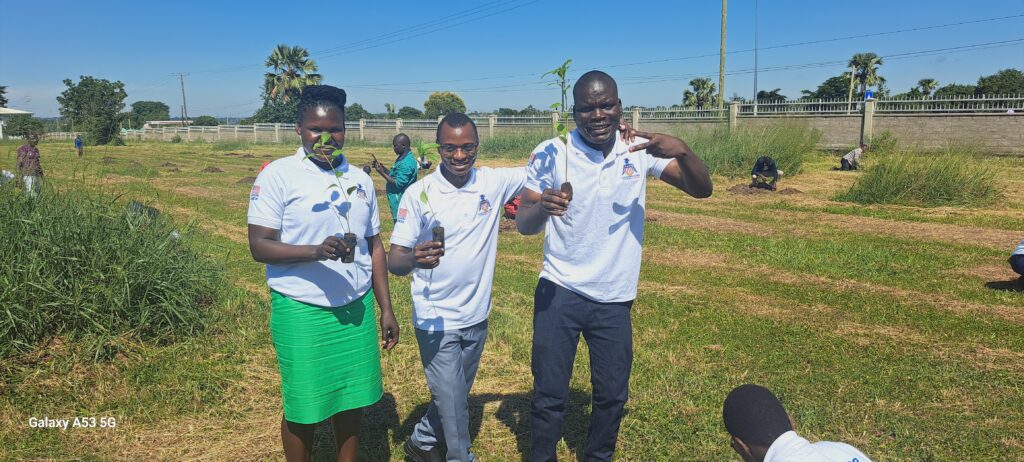
At the conference, Harunah connected with innovators such as the founders of DeafGain and Signvrse and learned from the example of Kenya’s Persons with Disability Act, 2025. “It reminded me that no matter how long success takes, with commitment and hard work, it is always achievable.”
He believes young advocates are central to shaping policy on digital accessibility. “Their voices are not only important but essential. This is precisely the moment to plan, to dream, to imagine, and to create, so that when the opportunity comes, we are ready to lead and demand accountability.”
Looking ahead, Harunah wants African science and innovation to be locally driven. “Our governments should be our cheerleaders. Too often, brilliant local ideas are overlooked because they weren’t recognized internationally. We must provide the resources and belief system that empowers young innovators to bring their ideas to life.”
His message to Deaf youth considering science is simple: “Do not be limited by your situation or disability. Science and research are not reserved for a special kind of people. Everyone has the right and ability to pursue the field of study that speaks to them.”
From the hospital ward where he fought for his life to the conference stage where he now urges change, Harunah Damba’s journey is proof that resilience can be transformed into leadership. “Everyone has the potential to achieve their dreams with the right support, commitment, and hard work,” he says, a truth he continues to live every day.
Written by Faith Rimas, inABLE