Fashion You Can Feel: Angela Wanjiku’s Journey to Inclusive Design

inableAdmin
When Angela Wanjiku speaks about fashion, she describes touch, independence, and belonging. Born and raised in Thika, Kiambu County, Angela has always been drawn to the hidden stories behind textile.
“I was fascinated by weaving, dyeing, print development, and the technicalities of pattern drafting,” she recalls. That curiosity led her to the University of Nairobi’s Department of Art and Design, where she specialized in Fashion and Textiles Design and graduated with First Class Honours. Today, she is pursuing her Master’s degree at the same institution, building on a foundation that combines design and advocacy. Along the way, a Certificate in Braille Proficiency from the Kenya Institute of Special Education sharpened her focus on inclusive and tactile design.
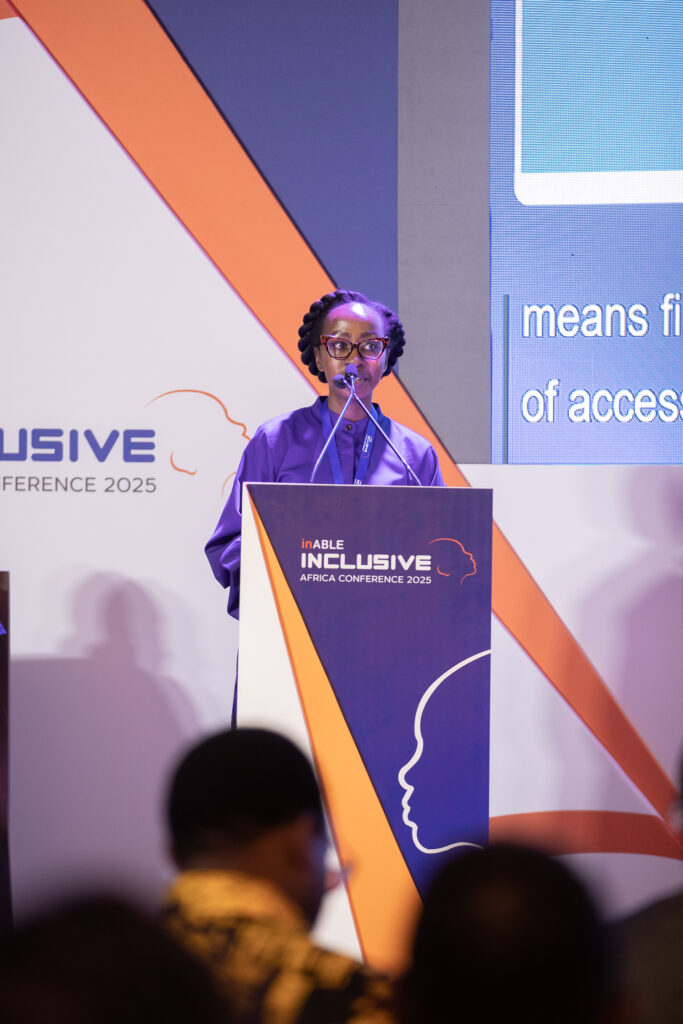
Angela has always been about extending the meaning of design. She has created tactile fashion pieces, developed Braille-based art installations, and worked with communities often excluded from mainstream design conversations. “Inclusion is not charity; it is culture,” she says.
That conviction shaped the birth of Hisi Studio, her inclusive fashion brand. The idea began with a simple but profound question: How do visually impaired people engage with fashion? Conversations with teachers and learners at Thika High School for the Blind revealed a gap in independence when it came to choosing and identifying clothing. Hisi Studio grew from that realization, creating adaptive garments with tactile prints, Braille phrases, and audio-accessible identification tags.
The brand name, Hisi, Kiswahili for “to feel,” captures its essence. Fashion, Angela insists, should not only be seen, it should be experienced. Through touch and co-design rooted in empathy, her work reminds us that style is sensory and collective. “We wanted a name that is simple, rooted in culture, and a reminder that design should engage all of us,” she explains.
Hisi Studio’s pieces carry unique features: Braille labels, tactile patterns, and QR code tags that integrate with mobile assistive technology to communicate details such as color, size, fabric, and wash instructions. These small details transform clothing into tools of autonomy. For many wearers, it is their first chance to independently choose what to wear. Angela recalls one woman’s reaction after running her fingers across a Braille label: “For once, I don’t have to ask what I’m wearing.” That moment affirmed everything she had set out to achieve.
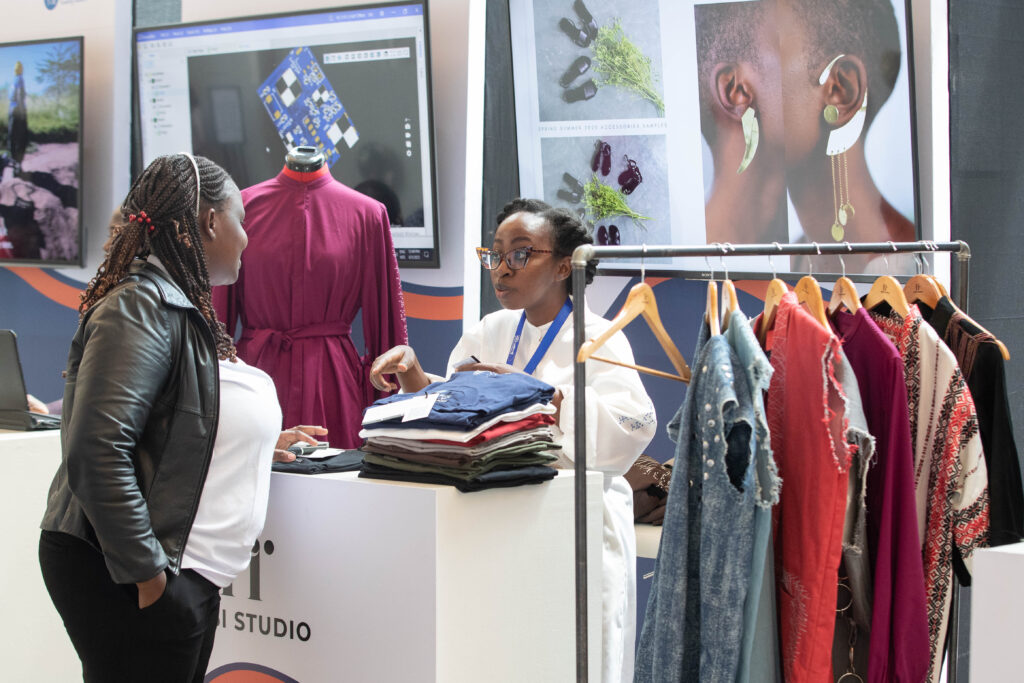
For sighted people, Braille on the garments may appear as an abstract design element, but Angela hopes it sparks reflection and conversation about accessibility. “Fashion can normalize disability inclusion in everyday spaces,” she says.
Her work has already made an impact on the continental stage. Presenting at the Assistive Tech Village during the Inclusive Africa Conference 2025 gave Hisi Studio visibility among innovators, policymakers, and persons with disabilities. “It was powerful to be part of a platform that understood the need for adaptive clothing,” she says. The feedback she received encouraged her to think beyond clothing toward systems and policies that can sustain inclusive design.
Recognition has followed, including her naming to the Top 40 Under 40 list, an honor she considers both humbling and motivating. “It validates that inclusive fashion deserves a seat in conversations about innovation and leadership,” she reflects. For her, the recognition is not just about personal achievement but also about opening doors for others in inclusive design.
Her advocacy extends to public spaces, especially in GLAM institutions, that is, Galleries, Libraries, Archives, and Museums. Angela sees these as custodians of collective culture that too often remain inaccessible. “In Kenya, we have a rich heritage but outdated design. Braille is an afterthought, and the power of touch, sound, and scent to tell stories remains untapped. This excludes over 800,000 blind Kenyans from their own culture,” she explains. “Just as ill-fitting clothes bar self-expression, inaccessible spaces bar participation”. True inclusion, she says, is about designing for belonging.
Faith and family have been her anchors. Her work is grounded in the belief that creativity is also service. Her family, constant in their encouragement, has given her the courage to persevere through challenges and pursue roles that sometimes seemed unconventional.
To young designers, Angela offers simple advice. “Start by listening. Inclusion isn’t about designing for people, it’s about designing with them. Be curious, be open, and challenge the norms.”
Looking ahead, Angela hopes to grow Hisi Studio into a Centre for Inclusive Design and Making, a space where research, training, and production intersect to empower persons with disabilities, youth, and artisans. The studio plans to scale its adaptive fashion line, expand accessible Braille branding, and pilot inclusive art education programs such as TactART and tactile learning kits for schools. Her ambition is to embed circular design practices, open export channels, and position African inclusive fashion on the global stage while contributing to policy and advocacy for an equitable creative economy.
Angela is clear about what drives her: dignity, independence, and joy for all. “Clothing can be more than style; it can be a tool for autonomy, self-expression, and belonging.” Through Hisi Studio, she is proving that when design is inclusive, fashion becomes a shared language that everyone can feel.
Story by Faith Rimas-MPRSK, inABLE