The Power of Art, Music, and Poetry in Disability Advocacy

inableAdmin
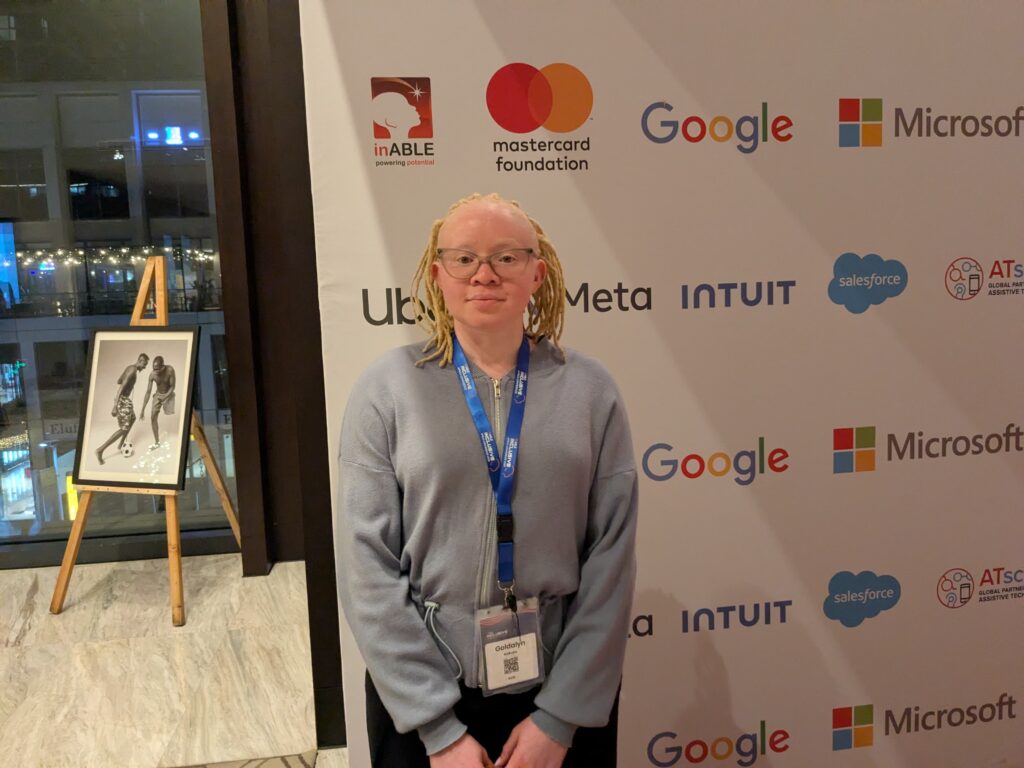
inABLE recently hosted a webinar titled The Power of Art, Music, and Poetry in Disability Advocacy, bringing together three young African creatives who are reshaping perceptions through their work. Moderated by Goldalyn Kakuya, the session featured Namibian singer-songwriter and disability rights advocate Alvarita Benedito, Nigerian poet and activist Pelemo Ava Nyajo, and Kenyan gospel musician and artist Sammy Brayo. Their conversation painted a vivid picture of resilience, creativity, and advocacy.
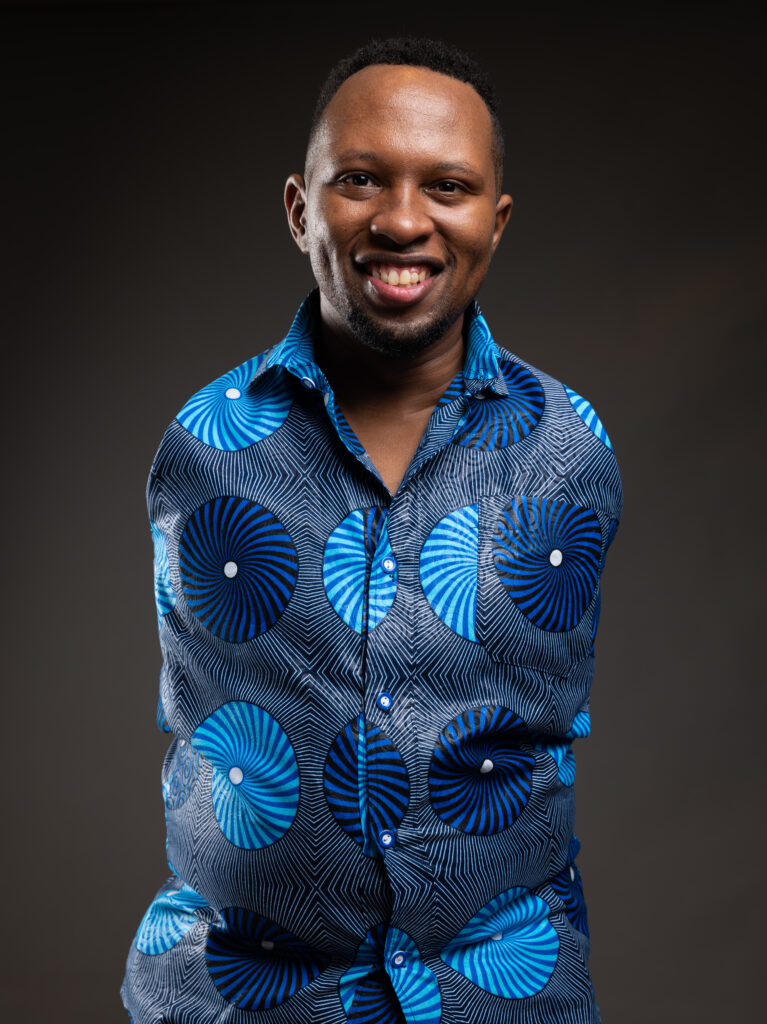
Sammy set the tone with a deeply personal account of how his art began. Born without arms, he learned to draw and write with his feet. “People are always surprised when they see me creating with my leg,” he said, explaining how those early skills later grew into music and motivational speaking. For him, art was never just about talent; it was about redefining what others thought was possible.
Alvarita traced her artistic journey back to her childhood home. “I grew up surrounded by music from different cultures. That became the foundation of my songwriting,” she shared. Living with a visual impairment gave her what she described as “a distinct way of seeing and telling stories through music,” which now serves as a tool for both self-expression and advocacy.
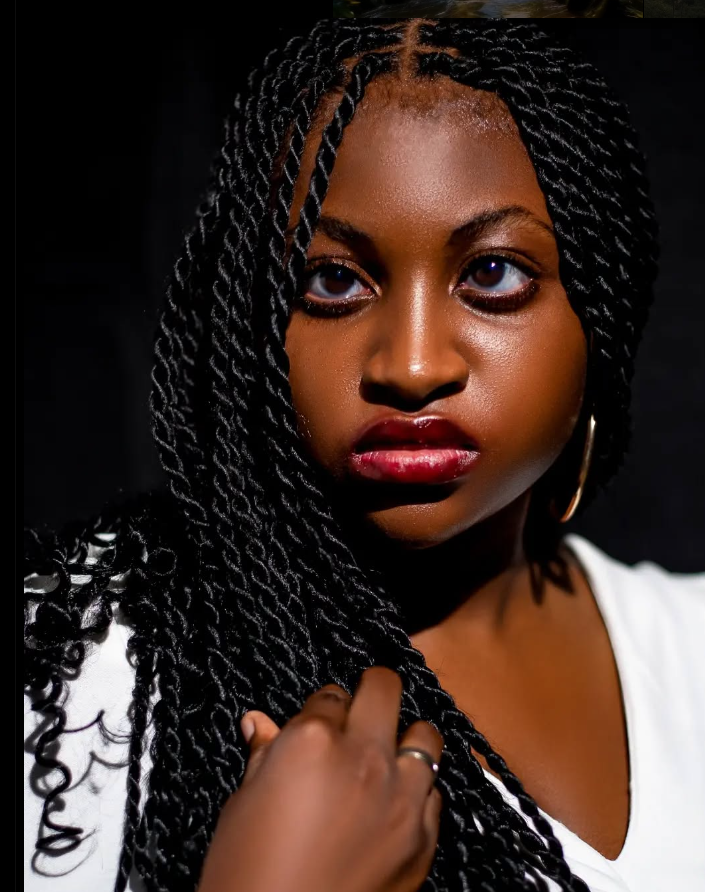
For Pelemo, the path took a different turn. Once a dancer, multiple surgeries forced her to step away from that path. “I needed a new way to express myself and deal with everything I was going through,” she explained. Poetry and storytelling became her voice, and in time, a form of activism. “Advocacy wasn’t something I planned. It became necessary when I realized how little space there was for people like me.”
As the discussion unfolded, it became clear that their art was inextricably linked to advocacy. Each panelist spoke about the way performance and creativity disrupt stereotypes. Alvarita described how some audiences are unaware of her visual impairment until they hear her talk about it. “That moment changes how people see not just me, but others with disabilities too,” she said. Sammy added that his presence at events often leaves a lasting impact: “When I perform, organizers later ask how they can make their events more accessible. Just being there can shift systems.”
Pelemo reflected on the importance of visibility. “Representation matters. When I show up in creative spaces, I’m not just there for myself. I’m showing that artists with disabilities belong.” For her, advocacy means creating bridges, bringing together people with and without disabilities to learn from one another.
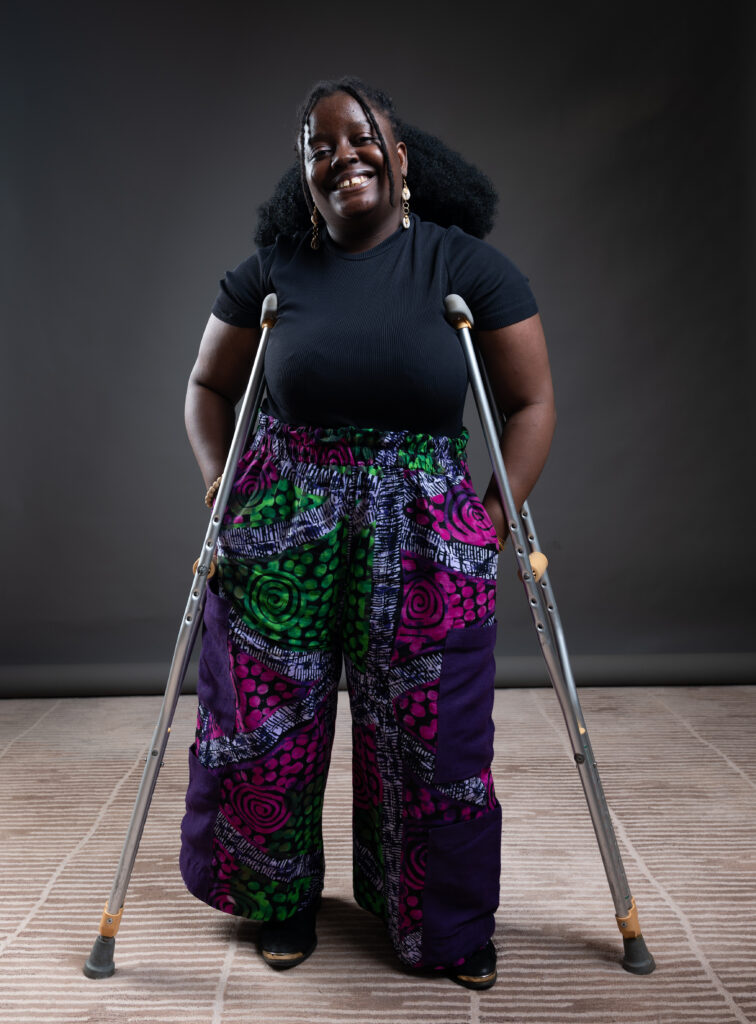
The conversation also touched on the barriers facing creatives with disabilities. Pelemo described the lack of structure in Nigeria’s creative industry, compounded by exclusionary beauty standards and inaccessible venues. Alvarita spoke about stigma in Namibia and the difficulty of navigating male-dominated spaces. Sammy shared the frustration of being underpaid and overlooked, saying, “Sometimes people don’t see the value in our art. They think it’s charity work instead of professional work.”
Despite these challenges, the panelists highlighted solutions. They called for stronger policies, funding opportunities, and the inclusion of artists with disabilities in decision-making. They also shared personal approaches: Pelemo, for instance, refuses to perform at events without accommodation. “It’s not about walking away, it’s about teaching people what accessibility really means,” she said. Alvarita encouraged direct engagement with people with disabilities to avoid assumptions.
The emotional weight of advocacy was not overlooked. All three spoke about the need for resilience and support. Sammy credited his family for helping him nurture his talents. Alvarita emphasized patience and self-love, saying, “Focus on the art, not on what people think your limitations are.” Pelemo reminded young creatives that they are not alone. “Find your community, seek knowledge, and draw strength from those who came before you,” she advised.
Looking to the future, the panelists expressed optimism. Alvarita envisioned more young artists with disabilities confidently taking their place in the creative sector. Sammy imagined a time when inclusion would be the norm in event planning and media representation. Pelemo described disability inclusion as “a revolution in the making,” confident that the next generation will redefine creativity in Africa.
The session closed with an invitation for audiences to continue engaging with the panelists’ work through their social platforms. What lingered, however, was not just the individual stories but the collective message: art is not only a personal outlet, it is a powerful tool for social change. Through music, poetry, and performance, these three creatives are challenging stereotypes, rewriting narratives, and inspiring a more inclusive vision for African arts.
Story by Faith Rimas, MPRSK-inABLE