Assistive Technology is Helping Students with Visual Impairments Prepare for National Exams

inableAdmin
As schools across Kenya gear up for the end-of-year examinations, students with visual impairments are showing how technology is leveling the playing field in education. In inABLE’s partner schools, students are preparing for their upcoming exams with the help of assistive technology tools that are transforming how they study, build confidence, and envision their futures.
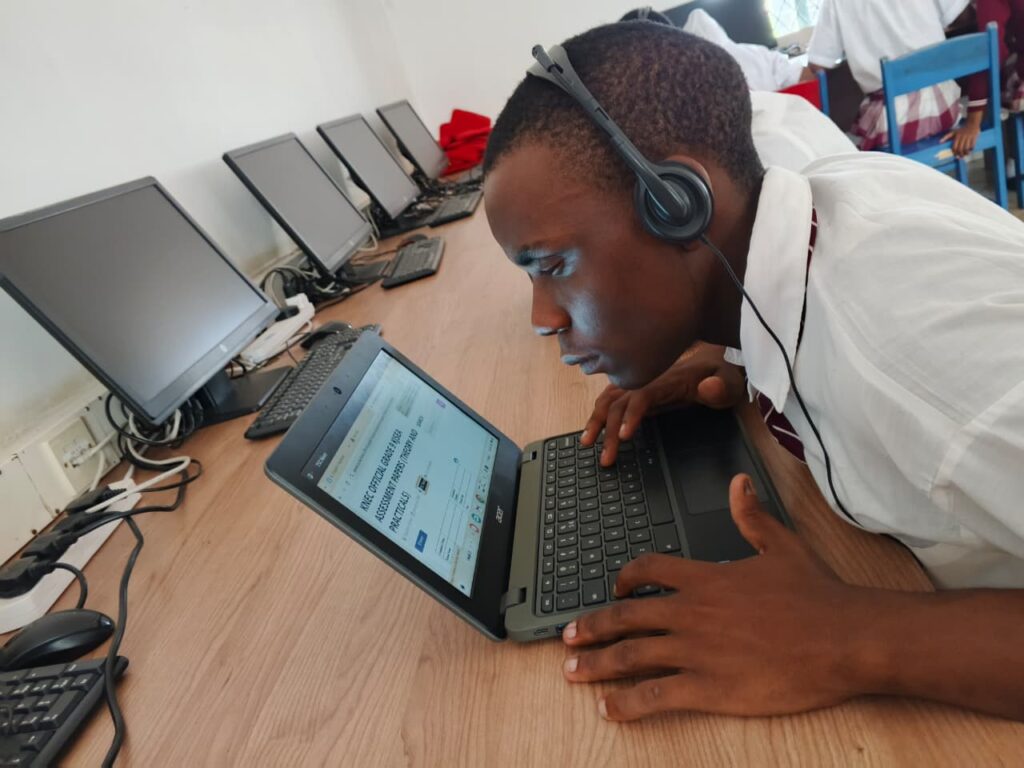
At Likoni School for the Blind, Grade 9 learners are practicing with sample exam papers on Chromebook laptops as they prepare for the Kenya Junior Secondary Education Assessment administered by the Kenya National Examinations Council. For many of these students, this is their first experience working with digital devices in an exam-like environment.
“This hands-on practice has given our learners a big boost,” explains Eunice Kilungu, Station Lead at Likoni School for the Blind. “They are sharpening their computer skills, easing exam anxiety, and walking into the exam room with more confidence. Technology is helping them believe in their own ability.”
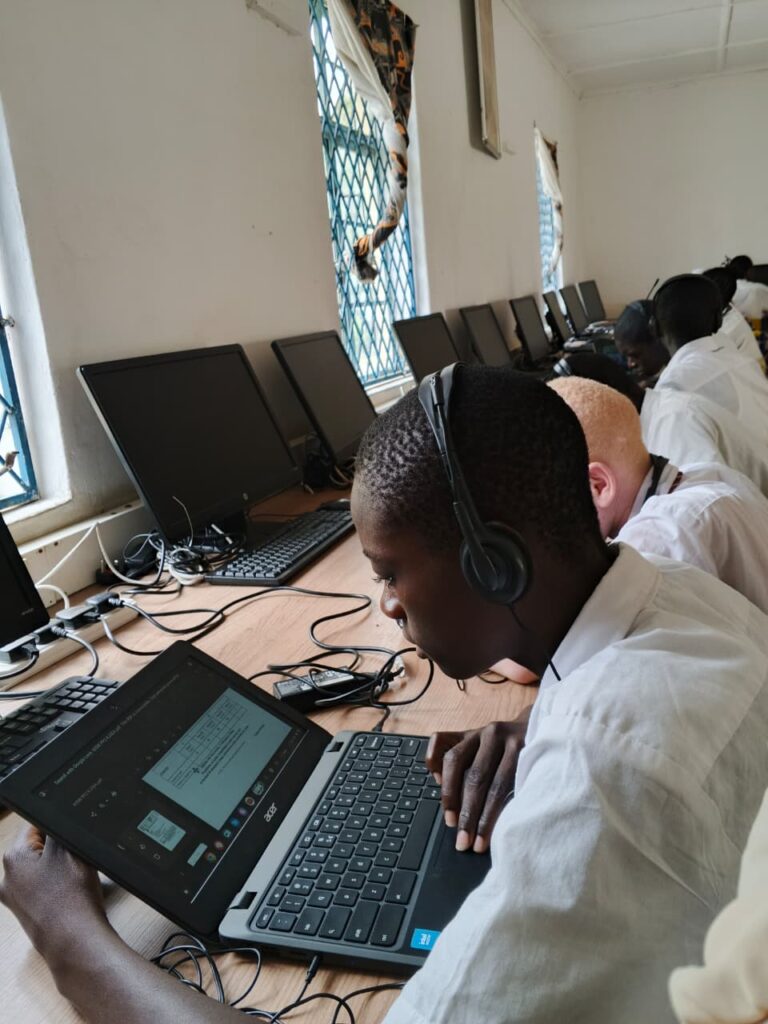
At Thika School for the Blind, students are going a step further by venturing into software development. Using screen readers, Visual Studio Code, and Chromebooks, they are learning to write, test, and deploy code. Their training goes beyond technical knowledge to emphasize problem-solving, creativity, and teamwork.
“Our learners are proving every day that blindness is no barrier to participating in the digital economy,” says Valery Olesia, Station Lead at Thika School for the Blind. “As they code, collaborate, and create solutions, they are learning valuable skills while showing the world new possibilities for the future of technology.”
At St. Lucy’s High School for the Visually Impaired, Form Four candidates are preparing for the Kenya Certificate of Secondary Education in innovative ways. Instructors guide them to use platforms like Google and artificial intelligence tools such as Gemini, accessed through screen readers. Afternoon study sessions allow students to ask complex questions, receive tailored responses, and deepen their understanding across subjects.
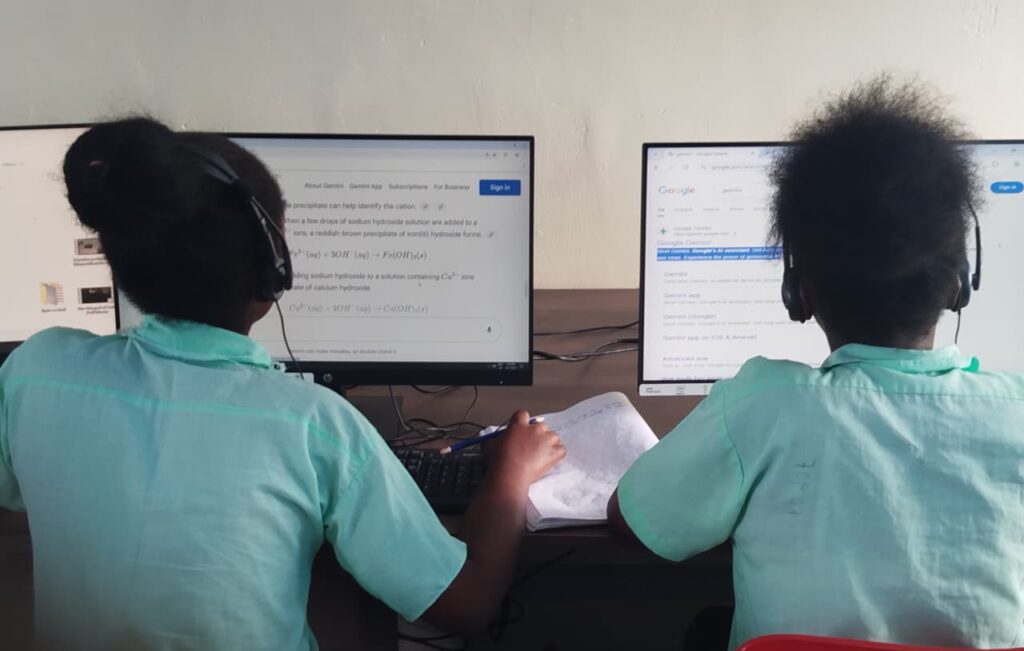
“Artificial intelligence has opened a whole new way of learning for our candidates,” explains Yvonne Mackenzie, Computer Instructor at St. Lucy’s High School for the Visually Impaired. “It is helping them prepare for exams while also exposing them to cutting-edge tools that will benefit them in higher education and in their careers.”
These inspiring examples reflect the broader mission of inABLE’s Assistive Technology Programs, which empower blind, low-vision, and sometimes multi-disabled children and youth. Since 2009, inABLE has established eight Assistive Technology Labs in six special schools for the blind across Kenya, including schools in Kiambu, Siaya, Meru, and Mombasa counties.
Each lab is fully equipped with computer furniture, infrastructure, hardware, software, and accessibility accessories. More importantly, inABLE ensures students and teachers receive training to use the technology independently. To date, the program has delivered more than 44,400 hours of training to over 15,000 students and 150 teachers, transforming schools into hubs of inclusive learning.
For many blind students, the journey begins with mastering keyboard skills that can take up to six months to learn. Once achieved, however, this skill unlocks independence, communication, and access to the digital world. Students then progress to modules such as typing, emailing, and word processing, and eventually to advanced tasks such as coding and web design.
inABLE’s training goes beyond classroom learning to prepare students for future opportunities. Learners are introduced to employable skills such as website creation with HTML and gain proficiency across multiple devices, including iPads, desktops, and laptops. Some advanced students even take on leadership roles by training their peers, reinforcing their own knowledge while building a culture of collaboration and mutual support.
Teachers also benefit from these programs. With assistive technology, they can tackle subjects like mathematics, science, and technology more effectively, moving beyond the limitations of relying solely on Kenya Sign Language or Braille. This equips educators to deliver lessons that are more inclusive and impactful.
The success of these programs is made possible through strong partnerships. Google’s support through Chromebook donations, accessibility funding, and teacher training has been instrumental in expanding access to digital resources for learners who were once excluded. These contributions have amplified inABLE’s reach, enabling thousands of students with visual impairments to access educational tools that help them excel academically and prepare for meaningful careers.
As students across Kenya prepare for their national examinations, they are studying for tests while building the skills and confidence to pursue higher education, enter the workforce, and live independently. Their stories show that with the right tools, learners with visual impairments can thrive in inclusive classrooms and beyond.
inABLE’s work highlights that inclusive education opens doors to opportunity and ensures every learner has a chance to thrive.
Join us in expanding access to assistive technology and inclusive education for more students today.
Story by Faith Rimas, MPRSK, Eunice Kilungu, Valery Olesia, and Yvonne Mackenzie – inABLE