Breaking Barriers Through Digital Skills: Morris Magaju’s Story

inableAdmin
Morris Gatuguti Magaju grew up in Meru County in a family that valued education even though his parents never had the chance to attend school. He remembers their influence with gratitude, saying, “My parents did not have formal education, but they instilled in us a deep appreciation for learning and personal growth.” That encouragement shaped him through St. Lucy’s School for the Blind, Thika School for the Blind, and later Kenyatta University, where he studied Special Needs Education. Along his journey, friends, teachers, and well-wishers stepped in with guidance and support. As Morris puts it, “Their kindness and belief in my potential reminded me that success is not achieved alone.”
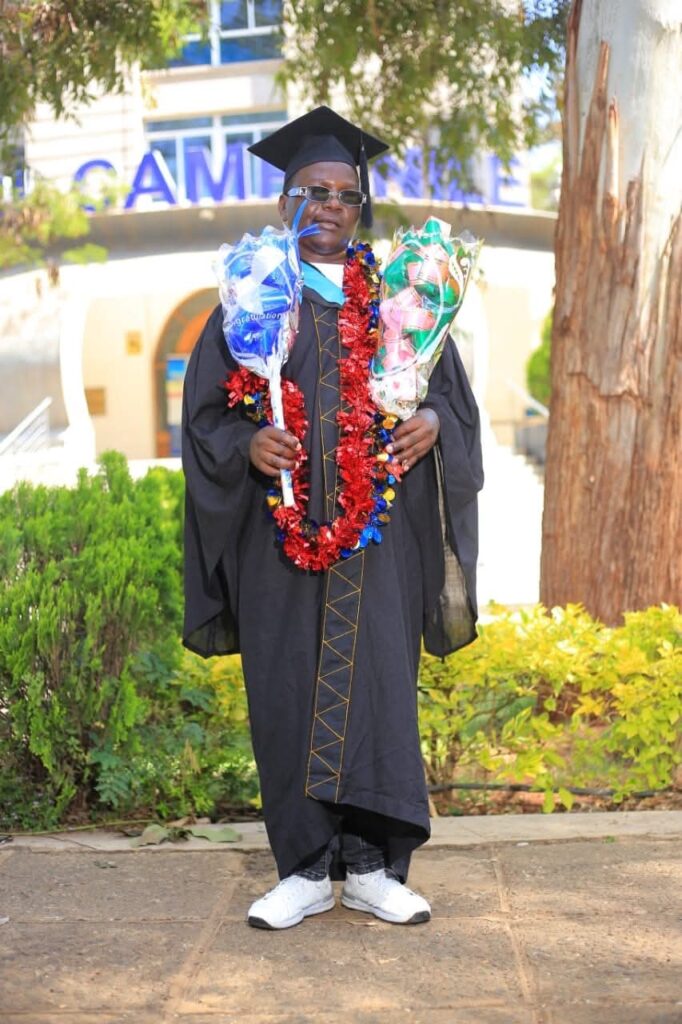
Before he encountered assistive technology, Braille materials, long listening sessions in class, and the generosity of classmates who read printed content aloud formed the core of his study routine. He reflects on that period with honesty: “Learning as a visually impaired student was quite challenging. In many cases, I had to depend on sighted classmates or teachers to read printed materials aloud.” Even so, he kept pushing forward, relying on strong memory, discipline, and determination.
His turning point came in 2010 at Thika School for the Blind, where he first interacted with inABLE’s Assistive Technology Lab. Trainers introduced him to screen-reading software and computer skills that immediately expanded his sense of what was possible. “I was both amazed and excited,” he says. “It felt like a new world had opened up to me.”
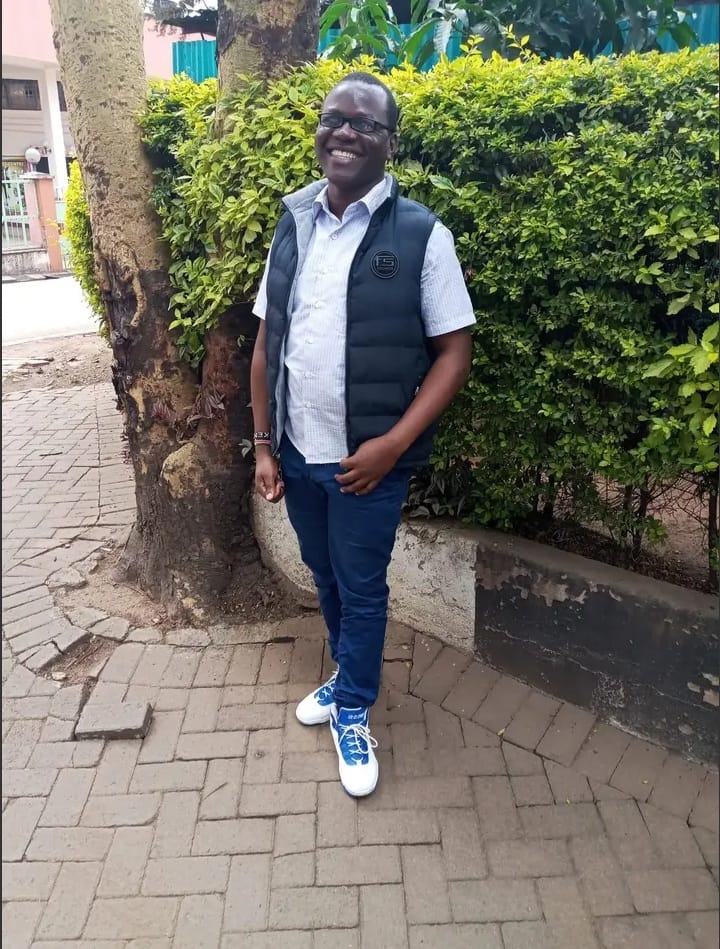
One breakthrough moment remains unforgettable. Morris remembers sitting at a computer, listening to JAWS reading his screen aloud. He typed and edited a full document without any help. “It was the first time I realized I could work independently on a computer,” he recalls. “That moment filled me with pride and confidence.”
Through inABLE’s Assistive Technology Labs program, he learned to use JAWS, NVDA, Microsoft Office applications, and online research tools. These skills transformed his academic experience. “Learning to use screen readers allowed me to access materials independently, research information online, and complete assignments without depending on others,” he says. The change strengthened not only his productivity but also his belief in his own potential. He explains, “Technology showed me that persons with disabilities can succeed in any field.”
The experience was not without challenges. Mastering unfamiliar tools required patience, and limited access to computers sometimes made practice difficult. Morris worked through those setbacks by staying committed and asking questions whenever he needed clarity. “It required a lot of practice, patience, and concentration,” he says, adding that consistent support from teachers and peers played a major role in his growth.
Today, Morris works as an Adapted ICT Officer at the Kenya Institute for the Blind, a role that allows him to pass on what he learned to new generations of students. He explains his current work simply: “Technology is at the very heart of what I do.” He provides adapted ICT training, proofreads touch materials, and guides students and institutions that want to improve digital accessibility. His expertise has opened opportunities beyond Kenya, including a one-year exchange program in the Czech Republic and a conference experience in South Africa.
Mentorship has become one of the most meaningful parts of his career. “Watching school children grow and become more independent reminds me why I am passionate about inclusive education,” he says. “I see myself in many of the students I train.”
For Morris, inABLE represents possibility and dignity. “To me, inABLE means opportunity, empowerment, and transformation,” he says. “It didn’t just teach me technology, it empowered me to change lives, including my own.”
When he reflects on his experience, he feels grateful for every person and organization that supported him along the way. “I never imagined I would become an educator, assistive technology trainer, and advocate for inclusion,” he says. “My story is a testimony of perseverance, faith, and the power of opportunity.”
He encourages current students to make full use of the technology available to them. “Believe in yourself and never let your disability define your limits,” he says. “The skills you gain through inABLE will open countless doors.”
To partners and supporters, Morris shares a heartfelt message: “You are not just funding technology; you are transforming lives. Every computer, training session, and opportunity you support brings hope to people who might otherwise be left behind.”
Looking ahead, Morris hopes to advance his studies and develop broader digital training programs that reach even more students. His long-term dream is rooted in the spirit that has guided him since childhood: expanding access and ensuring that every person with visual impairment has the tools to succeed.
Story by Faith Rimas, MPRSK-inABLE